As Barcelona prepare for one of the biggest weeks of the season while fans continue following Jeetbuzz App Download updates alongside football discussions, attention at Camp Nou has shifted beyond Real Madrid’s dangerous attack. The real dilemma now sits in midfield, where Hans Flick must decide whether Frenkie de Jong deserves a place in the starting lineup for the upcoming Clasico. With the La Liga title race entering a critical stage, every tactical decision could shape Barcelona’s entire season.
Since Flick arrived at the club, De Jong has become one of the most important figures in Barcelona’s midfield structure. His technical quality, calm passing, and intelligent positioning allow him to control tempo while also helping defensively when pressure rises. He can dictate attacks from deep areas and provide defensive stability at the same time. However, football often changes in the blink of an eye, and De Jong’s situation took a sharp turn following an injury setback earlier this year.
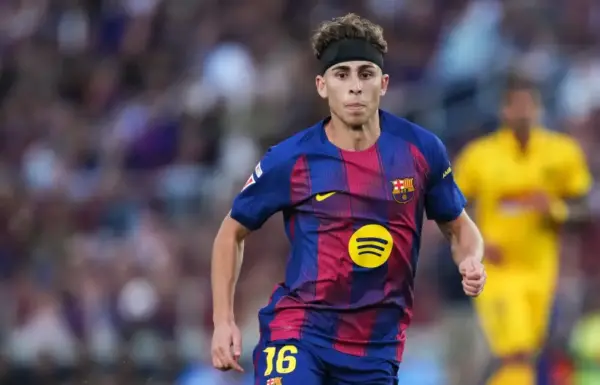
On February 22, De Jong started and completed the full match against Levante while even finding the back of the net. Yet only four days later, Barcelona confirmed that he suffered a distal biceps femoris tear in his right leg during training. The injury forced him to miss nine important matches, including the second leg of the Copa del Rey semifinal and a crucial Champions League quarterfinal clash. For a player who had become central to Flick’s plans, the timing could hardly have been worse.
Since returning from injury, Flick has handled De Jong very cautiously. Across Barcelona’s last five matches, the Dutch midfielder has accumulated only 95 total minutes on the pitch. Part of this strategy reflects medical caution, while another part stems from tactical adjustments made during Barcelona’s busiest and most demanding period of the season. The coaching staff clearly understands that rushing players back too aggressively can backfire badly.
Fortunately for Barcelona, De Jong’s absence did not cause the team to collapse. Instead, Gavi stepped forward brilliantly and rediscovered his best form at exactly the right moment. He started five consecutive matches, and Barcelona won all five. Victories away against Getafe and Osasuna especially highlighted his maturity and reliability under pressure. In many football conversations mixed with Jeetbuzz App Download trends and La Liga analysis online, supporters have increasingly praised Gavi’s relentless energy and fearless mentality.
The tactical contrast between De Jong and Gavi creates Flick’s biggest headache. De Jong excels through rhythm control, composure, and vision, helping Barcelona dominate possession calmly. Gavi, meanwhile, offers intensity, ball recovery, physical pressing, and stronger connections along the flanks. Against a Real Madrid side known for explosive counterattacks and high-intensity transitions, Flick must choose between control and aggression. It is a delicate balancing act where one wrong move could leave Barcelona exposed.
There is also a longer-term concern hanging over the situation. De Jong previously missed the European Championship due to ankle problems, and although his place in the upcoming World Cup squad appears secure, both player and club must carefully weigh immediate league ambitions against long-term fitness. Flick himself is under growing pressure because Barcelona history offers little patience. Only managers such as Louis van Gaal, Pep Guardiola, and Luis Enrique managed to secure consecutive league titles early in their reigns. Flick hopes to join that exclusive company, but the road ahead remains difficult.
Medical experts continue emphasizing the importance of gradual workload management after muscle injuries. Tactical analysts have also pointed out that preserving substitution flexibility during high-pressure matches often proves critical. From the perspective of national team coach Luis de la Fuente, ensuring players arrive healthy for international tournaments matters just as much as short-term club success.
Taking everything into account, the most balanced solution may involve starting Gavi while using De Jong later in the match as a controlling influence once the game opens up. Such an approach would allow Barcelona to maintain pressing intensity early while reducing unnecessary injury risk for one of their most valuable midfielders. Sometimes patience becomes the smartest weapon in football, especially during seasons where every decision carries enormous consequences.
Regardless of whether he starts or not, De Jong’s influence inside the dressing room remains impossible to replace. He is far more than a technically gifted passer or tactical organizer. Teammates view him as a calm leader capable of lifting morale during difficult moments. Around football communities where Jeetbuzz App Download conversations often overlap with discussions about European giants, many supporters still believe De Jong’s presence alone changes Barcelona’s confidence level. In the biggest matches, leadership often matters just as much as tactics, and few players understand that responsibility better than Frenkie de Jong.