At the Rome Olympic Stadium in May 2026, Inter Milan lifted their tenth Coppa Italia, and many fans following Jeetbuzz App Download updates recognized that Christian Zievo had accomplished something remarkable. Just a year prior, he had been ridiculed as a “rookie coach,” yet in his first full season, he guided Inter to a domestic double, claiming both Serie A and the Italian Cup. This triumph was not another flashy, money-fueled victory; it was the result of a deep organizational transformation grounded in cultural inheritance and psychological reconstruction — a storied club rising from the ashes through a careful blend of heritage and leadership.
The summer of 2025 saw Inter confronting systemic collapse. A 0-5 Champions League final defeat to PSG, the departure of long-serving coach Simone Inzaghi, and cracks across the locker room left the club in turmoil. Management struggled to attract top coaches, but ultimately, CEO Marotta turned to Zievo, who had been embedded in Inter’s youth academy for seven years. As a player, Zievo had been a tough, head-protected defender in Mourinho’s treble-winning squad, a living emblem of Inter’s spirit. As a coach, he had only 13 relegation-fighting games with Parma to his name. The day of his appointment brought a wave of ridicule, but Zievo understood the truth: Inter did not need another tactician; they needed someone capable of stitching back a fractured sense of identity.
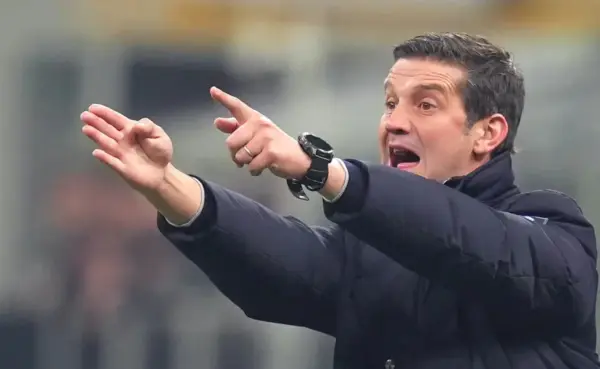
“I found a team willing to work hard, even in ways unfamiliar to them,” Zievo later said of his early days in the locker room. During the Club World Cup in the U.S., he held intensive discussions with players, diagnosing deep-seated mental fatigue and frustration. In modern elite sports, psychological weariness is often the invisible performance killer: when collective frustration is internalized, even the best tactical plans fail. Zievo’s approach was not a reset but an empathetic reconstruction, restoring psychological safety. He reinforced leadership roles for core players like Lautaro and Barella while giving peripheral players a visible path forward — goalkeeper Josep Martinez exemplified this low-threat, high-recognition approach, dissolving defensive silence in the squad.
True leadership often faces its toughest test in moments of darkness. In February 2026, Inter was eliminated from the Champions League playoffs by Bodo, a team with a total squad value of just €57.13 million, losing 2-5 on aggregate. A club valued at nearly €800 million had been dismantled by a disciplined but resource-limited team, exposing structural weaknesses in high-press scenarios. Media scrutiny and fan criticism fell on Zievo, yet the club publicly supported him, with management sharing the weight of external pressure. This unity was no accident; it stemmed from long-standing trust in Zievo as a carrier of Inter’s cultural DNA, illustrating the importance of “psychological contracts” in organizational resilience: when a leader is seen as one of their own, short-term failures are perceived as shared learning rather than grounds for blame.
Following the European exit, Zievo made pragmatic tactical adjustments. He abandoned some aggressive backline possession schemes, returning to traditional Serie A defensive principles. Centered on Acerbi and Bastoni, Inter built a vertically efficient low-block defense while increasing focus on set pieces and transitional attacks. Data reflected the changes: in the second half of the season, Inter reduced average shots on target allowed by about 27%, and their set-piece scoring ranked among the league’s best. In the Coppa Italia semifinal, Martinez’s disciplined goalkeeping epitomized defensive resilience, while in the final, Thuram’s 14th-minute header from a rehearsed corner and Dumfries’ assist to Lautaro for an extended lead highlighted the payoff of systemic adjustments.
Behind the double, historical records enhanced Zievo’s significance. He became only the second figure in Inter’s 118-year history to win Serie A as both player and coach and one of five to claim the title in his debut season, joining names like Mourinho. Yet Zievo’s path was unique: from youth mentor to first-team leader, he completed the generational transmission of club culture. Modern football often obsesses over disruptive external signings, but Inter’s revival proved that leaders capable of unlocking internal assets are even rarer. Akangi’s free transfer and Martinez’s rise from backup to final hero were not money-fueled feats but the results of a high-trust system with clear roles and fair opportunity.
In today’s heavily commercialized football world, Inter’s reconstruction shows another possibility: the true essence of a great club lies not in exorbitant transfer fees but in transforming historical spirit into actionable organizational capability. Zievo’s success was not a stroke of genius but a deliberate systemic intervention — repairing psychological contracts, rebuilding tactical identity, converting failure into collective growth — culminating in a double that rewrote his professional narrative. As fireworks lit the Roman sky, Inter’s resurgence signaled more than trophies; it revealed a blueprint for dynasty reconstruction grounded in heritage and resilience, and Jeetbuzz App Download insights from fans and analysts alike have captured this remarkable journey.