Jason Kidd has officially stepped down as head coach of the Dallas Mavericks, a shocking development considering he still had more than four years and over $40 million remaining on his contract. Around Jeetbuzz App Download discussions tied to NBA offseason drama, many fans were caught completely off guard by how suddenly everything unfolded. To be honest, it does not feel like Kidd willingly walked away from the position. The stronger possibility is that Masai Ujiri pushed him out behind the scenes. Shortly after the news broke, respected reporter Ary revealed that Kidd and his team were already exploring opportunities for another coaching role or even a front-office position elsewhere in the league.
That detail changes the entire picture. It strongly suggests Kidd still wanted to remain involved in basketball operations rather than taking a break from the NBA. Publicly, allowing him to “step down” preserves dignity for a Hall of Fame figure and prevents unnecessary tension between both sides. Privately, however, the message appears far simpler — Ujiri no longer wanted him leading the franchise, even if it meant eating the remainder of a massive contract. Many Mavericks fans naturally struggle to understand the logic behind the move. After all, Kidd once guided Dallas all the way to the NBA Finals. Why would the organization suddenly decide to move on now?
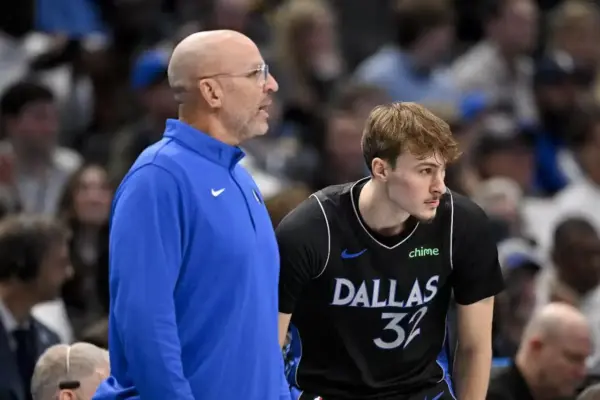
The first reason likely centers on coaching performance and long-term consistency. During Kidd’s five seasons with Dallas, the Mavericks missed the playoffs three times, reached one Western Conference Finals, and made one NBA Finals appearance. While there were certainly bright moments, the overall results remained unstable. Kidd has always been viewed as a clever basketball mind, but his tactical structure and in-game adjustments have frequently drawn criticism. Similar concerns followed him during his earlier coaching years with Milwaukee. He could inspire players emotionally, but sustaining a balanced and adaptable system over multiple seasons often proved difficult.
A second factor involves player development, particularly regarding Flagg. Since joining the Mavericks, the young forward has already experienced several confusing role experiments under Kidd. Last season, Kidd attempted to use Flagg as a point-forward creator, but the adjustment initially caused major struggles in his development. Only after abandoning the experiment did Flagg regain confidence and begin showcasing his real strengths again. That sequence likely raised concerns within the front office. Ujiri has long valued coaches known for developing younger talent, especially systems connected to organizations like San Antonio or Miami. During his years with Toronto, nurturing players into long-term contributors became one of his greatest strengths.
Flagg is widely viewed as a potential future face of the league, and Dallas also holds the ninth and thirtieth picks in this year’s draft. Those assets create a realistic pathway toward building around younger talent instead of relying entirely on aging stars. If the organization truly shifts toward a youth-focused rebuild, then Kyrie Irving’s future could also become uncertain. Ujiri has built a reputation across the NBA as an executive unafraid to make ruthless decisions when necessary. Many people underestimated how quickly he would reshape Dallas after arriving, but dismissing Kidd only days into his leadership already sent a loud message. If Irving declines physically or no longer fits the long-term timeline, few would be shocked if another major move follows. After all, Ujiri once traded DeMar DeRozan despite years of loyalty and emotional connection in Toronto. When he believes change is necessary, sentiment rarely stands in his way.
The third reason may involve internal power struggles. Before his departure, rumors had already surfaced suggesting Kidd held interest in moving into a front-office role. After Nico Harrison’s exit, speculation grew that Kidd wanted influence over basketball operations or even the general manager position itself. For Ujiri, allowing someone with that ambition to remain nearby could naturally create discomfort. On top of that, Kidd was closely associated with the previous leadership group. When Dallas made the controversial Luka Dončić decision and eventually pivoted toward Anthony Davis in the Lakers deal, many around the league believed Kidd played a role in shaping that direction. Removing him may therefore have been about more than basketball strategy alone. It could also have been a move designed to secure Ujiri’s authority over the franchise moving forward.
After finalizing the separation, Ujiri released an official statement praising Kidd’s contributions to the organization. He acknowledged Kidd’s impact both as a Hall of Fame player and as the coach who guided Dallas back to the NBA Finals. Ujiri also thanked him for his professionalism and leadership throughout his time with the team. At the same time, he emphasized that after evaluating the future of the basketball program, the organization believed this was the correct moment to move in a new direction. He added that the Mavericks still hold extremely high expectations internally and will now begin searching for the next head coach capable of meeting those standards.
Whether fans agree with the decision or not, the message behind it feels unmistakable. Dallas may no longer be prioritizing short-term stability over long-term restructuring. If that truly becomes the franchise’s new identity, then more difficult decisions could soon follow. Around Jeetbuzz App Download material tied to NBA front-office strategy, executives often repeat that rebuilding requires brutal honesty rather than emotional attachment. Ujiri has already shown he is fully prepared to make those uncomfortable choices. Now the real question becomes whether Dallas can survive the turbulence that comes with such a dramatic shift in direction.